At a glance
Spend two days in Copenhagen between the historic centre and the harbour. Start with Rosenborg and the King's Garden, continue to Nyhavn, then use the second day for Christianshavn and one selected cultural or boat experience. Add Tivoli only after checking its opening calendar and the ticket you need. The route combines recognisable sights with neighbourhood time, without making every hour depend on a reservation.
A short stay with two clear areas
Copenhagen's appeal includes both royal collections and everyday waterfront life. Visit Copenhagen highlights Rosenborg, Nyhavn, Christianshavn and Tivoli among the city's different experiences. Rather than interpreting that list as one walking circuit, group the places by what you want from them. An interior collection needs focused time; a harbour section works best with freedom to pause, eat and change direction according to the weather.
This two-day outline starts with the royal-history area and a waterside continuation, then gives Christianshavn its own day. It assumes two full days in the city. Reverse the order for a museum reservation or a better forecast, and leave the evening optional. A useful itinerary allows for different interests within a group, so the person most interested in castles and the person most interested in canals both have a meaningful part of the visit.
| Period | Area | Main experience | Check before committing |
|---|---|---|---|
| Day one morning | Rosenborg and King's Garden | Royal collection and an outdoor pause | Collection admission and access arrangements |
| Day one afternoon | Historic centre and Nyhavn | A manageable street-and-waterfront walk | Distance from your actual starting point |
| Day one evening | Tivoli or a neighbourhood meal | An optional separate experience | Opening calendar; entrance and rides are different products |
| Day two | Christianshavn and harbour areas | Canal-side streets and one boat or cultural choice | Boarding point, weather and return journey |
Day one: Rosenborg with time to look
Choose Rosenborg if royal history is one of your priorities. The official tourism description identifies the castle's royal interiors and treasury, including the crown jewels, as key features. Decide which parts interest you before the visit and check the operator's current admission arrangements. An exterior photograph of the castle is a different experience from entering the collection, and a garden walk does not establish access to the treasury.
Keep the morning's schedule generous. A collection can take longer when you stop to read and look carefully, and a shorter focused visit can still be worthwhile. Avoid placing an unrelated timed tour immediately afterwards. Travellers with access needs should verify the exact interior route before buying a ticket, rather than relying on a general description of a city as easy to explore.
Use the King's Garden as an outdoor pause if conditions suit. Visit Copenhagen describes it as the country's oldest royal gardens, with tree-lined paths and garden features. The surrounding green space offers a different pace from the interiors. Treat it as time to rest and enjoy the setting, not as another destination to hurry through on the way to the next reservation.
Continue through the centre to Nyhavn
After lunch, choose a compact route through the central streets towards Nyhavn. The waterfront is a clear focal point, but you do not need to approach it through every shopping street or landmark square. Decide the route using where you leave lunch and where you want to finish. A short stay becomes easier when walks have practical endpoints instead of repeatedly returning to the same starting point.
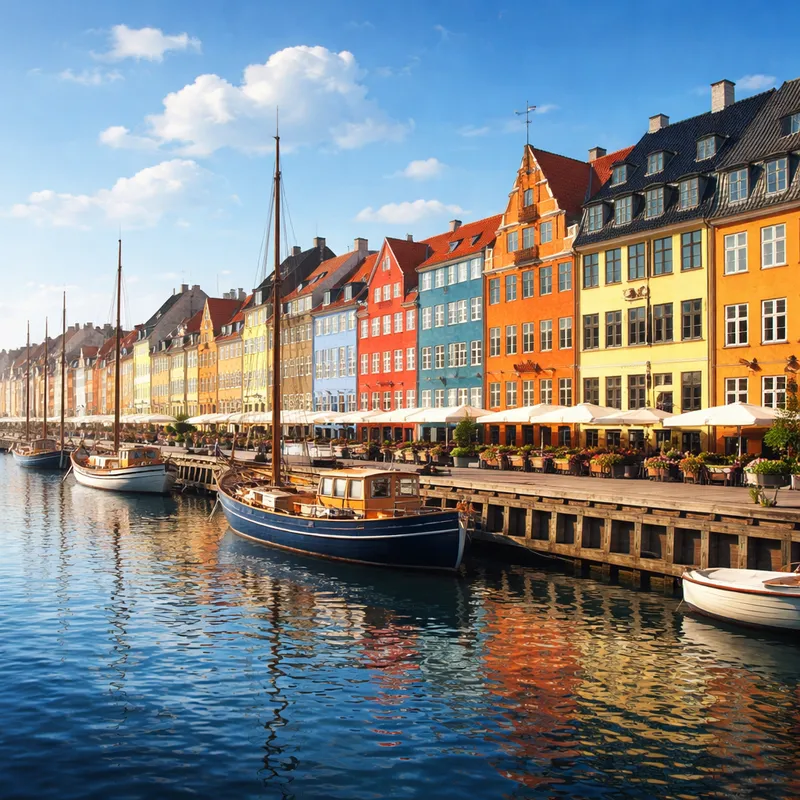
At Nyhavn, make room to appreciate the harbour setting without blocking people walking along it. The official tourism page identifies the colourful buildings and historic waterfront as defining features. If you stop for a meal or drink, compare the menu and price before sitting down. A waterside terrace may be worth it for the setting, but it should be a deliberate choice within your budget.
Leave time to explore a less busy nearby section rather than making the entire afternoon a photograph of one famous row of buildings. If you enjoy seeing cities from their waterways, compare our Amsterdam two-day itinerary. It uses canals differently, with distinct museums and booking rules. The comparison helps you choose an experience; it does not make the cities' transport cards or cruise products equivalent.
Tivoli is an optional evening, not an automatic inclusion
Tivoli can be a rewarding separate experience if its garden, rides or programme interest you. The tourism portal locates it near Copenhagen Central Station, but physical convenience alone is not a reason to buy admission. Check Tivoli's actual opening calendar for your dates and the product's inclusions. Entrance, rides, performances and dining can involve different arrangements, so read the booking rather than assuming one ticket covers everything.
Allow an evening block if you decide to visit. A brief dash between dinner and a final train is a different experience from having time inside. If rides are important, compare the relevant product and restrictions, including any conditions affecting your group. If the atmosphere and gardens are the main draw, select accordingly. A traveller who does not enjoy amusement parks can simply choose a neighbourhood meal without treating the trip as incomplete.
Check the route back to your accommodation before the evening begins. A centrally located attraction does not establish that your own hotel is conveniently reached late at night. Leave the next morning relaxed if you choose a longer evening. On a two-day stay, sacrificing sleep and then rushing a museum or boat visit can reduce the value of both experiences rather than adding more to the trip.
Day two: Christianshavn at street level
Give Christianshavn a morning of its own. Visit Copenhagen describes a neighbourhood of small islands, colourful houses and canals that can be explored on foot or from the water. Start with a manageable canal-side section and a meal stop, then choose a continuation. You do not need to cover every nearby harbour area to understand the neighbourhood's relationship with water.
If you want a tower or church interior, check that site's independent opening, ticket and physical-access conditions before adding it. A city-wide walking outline does not establish that a staircase or viewpoint suits every traveller. Keep an alternative at street level. The advantage of this day is that an optional climb can be removed without disturbing the rest of the route or cancelling a chain of reservations.
Respect residential and community spaces. Follow local signs about photography and access, keep paths open and avoid assuming that every interesting entrance is a public attraction. A neighbourhood's distinctive identity is part of ordinary life, not a performance for visitors. This is especially important when moving beyond the better-known waterfront streets into places where rules and expectations differ from a standard tourist site.
Choose one harbour or cultural continuation
For the afternoon, choose a canal tour or a collection that genuinely interests you. A boat gives a different viewpoint, but it also brings a fixed departure dock, boarding arrangements and weather considerations. Compare the exact route and product before booking. Do not assume a tour departing from one central harbour point can be joined at another simply because both appear beside the same water on the map.
If you prefer a collection, Visit Copenhagen's cultural-district information identifies options such as the National Museum and Glyptoteket. Choose one, then check its own opening calendar and current admissions. Reserve sufficient time rather than entering several institutions briefly. Our Vienna two-day guide is useful for comparing how a royal-history visit and one selected collection can shape a short cultural trip.
Keep a harbour extension optional. A longer journey to a food market or another waterfront area can be worthwhile, but compare the actual travel and seasonal arrangements before making it the only dinner option. You can finish closer to your return route if the day becomes wet, windy or tiring. A good Copenhagen plan has a satisfying version that remains entirely within the areas you already chose.
Transport, accommodation and spending choices
Compare accommodation by its usable connections and the walking route to the door. Look at the arrival journey, luggage access and the return after an evening activity. For transport or a Copenhagen Card, read the selected product's current coverage and compare it against your actual admissions and journeys. Do not buy a card simply because it lists many attractions; savings depend on experiences you will genuinely use and any separate requirements.
Walking can work well within each area, but cycling requires confidence and familiarity with the rules and traffic flow. A visitor should not feel obliged to hire a bicycle because it is part of the city's image. Choose the method that makes the day comfortable. Our weekend-break collection offers further city comparisons if you are deciding whether a harbour-focused stay or a more museum-heavy trip best suits your group.
Frequently asked questions
Is two days enough for Copenhagen?
Two full days can introduce the central royal-history area, Nyhavn and Christianshavn, with one selected cultural or boat experience. They do not cover every collection or regional excursion. Keep one main booking per day and allow neighbourhood time between stops. If arrival and departure reduce the stay, make Tivoli or a further harbour extension optional.
Is Tivoli included in this itinerary?
It is an optional evening choice. Check whether it is open on your dates and compare the exact ticket product before buying. Entrance and rides are different arrangements, and performances or dining may have separate conditions. If amusement parks do not interest you, choose a meal or another evening activity without trying to replace Tivoli with several extra daytime stops.
Should I buy a Copenhagen Card for two days?
Compare the current product against the visits and journeys you actually plan, including reservation requirements and any exclusions. A long list of included attractions is not proof of a saving for your particular route. Add up the selected admissions and transport first, then decide. Avoid adding unwanted visits purely to justify a card already purchased.
Do I need to cycle around Copenhagen?
No. This route can be arranged with walking sections and appropriate public transport. Cycling can suit confident riders, but it requires attention to traffic and local rules. Choose according to your experience and group. The practical goal is to reach each area comfortably with enough time to enjoy it, not to reproduce an image of how everyone should visit.
Sources and checks
- Visit Copenhagen: Rosenborg CastleChecked: 7 October 2026
- Visit Copenhagen: King's GardenChecked: 7 October 2026
- Visit Copenhagen: NyhavnChecked: 7 October 2026
- Visit Copenhagen: ChristianshavnChecked: 7 October 2026
- Visit Copenhagen: cultural district and collectionsChecked: 7 October 2026
- Tivoli Gardens: practical visitor informationChecked: 7 October 2026
Itineraries are editorial suggestions for independent visits. Check current prices, opening hours and trail conditions with official providers.